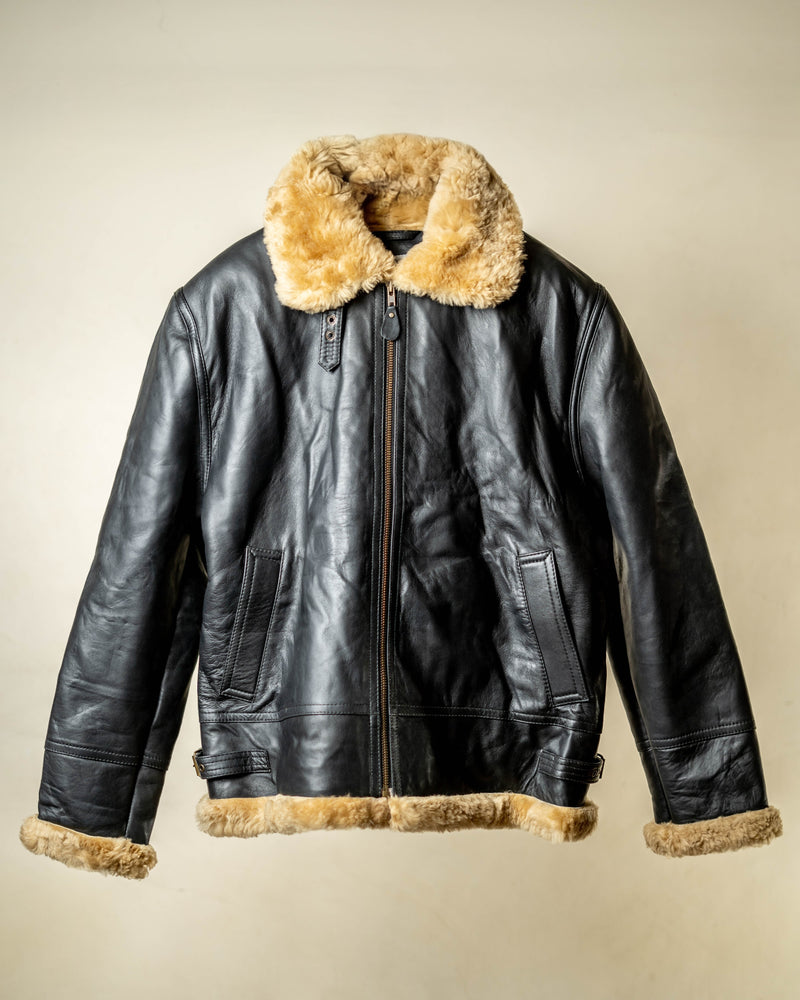
As the temperature cools, there are few materials that can match natural animal hides for incredible warmth, cinematic style and luxurious comfort. When you're looking for a durable winter outer, you've probably seen the terms shearling and sheepskin used the same. Although they are both based on the same design, they have different structural and aesthetic qualities that affect the way that they feel, perform and age.
Shearling vs sheepskin is important to understand when purchasing a sheepskin or a shearling wool winter item. From styling to fit a rugged aviator jacket to avoid sub-zero temperatures and a more sophisticated, cushioned coat for commuting in the city, understanding what’s the difference between shearling and sheepskin will help you make the best wardrobe choice.
What is Sheepskin?
Sheepskin is the hide of sheep that is tanned with the wool intact. The wool is not removed from the hides, making it into yarn, but the hides are tanned in their entirety.
You can have the best of both worlds with a traditional sheepskin outfit: super soft, super thick wool on the inside, and a smooth, highly durable leather or suede on the outside. Sheepskin is extremely breathable and offers unparalleled thermal insulation due to the wool fibers not being removed from the hide. This natural breathability will eliminate the sticky, hot, and sweaty feeling that synthetic winter coats can cause.
Sheepskin's classic fluffy look is universally loved. Usually dense, springy, with a slight variance, the wool material is ideal for classic bomber jackets, heavy-duty winter gloves, and even home decor, such as rugs and throws.
What is Shearling?
Shearling is the high-end, specialist type of sheepskin. Shearling means a young sheep (a yearling) with its pelt sheared just once before tanning.
This one shearing is the process which gives shearling its distinctive features. Shearling felt is incredibly refined, velvety and consistent throughout the garment due to the even depth of the wool being cut. In addition, the hide is from a younger animal, making the leather and wool inside much softer, lighter and more supple than mature sheepskin.
The texture difference between sheepskin and shearling is quite apparent when debating sheepskin vs shearling. The shearling is known for all of the amazing thermal insulation properties of mature sheepskin but without the weight and bulk. Thus, it is the best fabric for the luxury fashion, where elegance and fine cut are as essential as winter performance.
How to Distinguish Between Sheepskin and Shearling
If you are inspecting a garment and wondering what's the difference between shearling and sheepskin, use your hands to evaluate the material.
-
Test the uniformity of the wool: Run your hand over the inside fleece. Due to the single shearing process, Shearling will be perfectly uniform, densely packed and velvety wool length. Sheepskin can be fluffier, a bit longer or irregular in the pattern of wool fibres in mature cases.
-
Test the fit of the jacket: Put it on. A regular sheepskin jacket will feel sturdy, thick, and heavy which is ideal for rough and tough out-of-doors use. A shearling jacket is also warm, but it will feel much lighter and will hang more gracefully on your body.
-
Feel the Outside Hide: The outer part of a shearling jacket can be either suede or leather and is typically really soft and pliable right out of the box. It may need to be broken in to achieve that softness for mature sheepskin.
What to Consider When Choosing
While both materials give the best winter luxury, the decision will all come down to your lifestyle and what you prefer.
Climate and Utility
Both materials have an unrivalled natural insulation. The thicker, heavier hide, however, of mature sheepskin is a fortress in case of extreme and harsh winters, where rugged durability would be paramount. Shearling is breathable and lightweight, making it great to wear for an outdoor commute that turns into an indoor conversation.
Personal Style and Silhouette
In terms of aesthetics, compare sheepskin vs shearling by looking at the silhouette. However, the thicker skin and untrimmed wool of sheepskin jackets will inevitably give them a slightly bulkier appearance which makes them ideal for classic plus rugged aviator and bomber jackets. Shearling is thinner and softer than regular sheep leather, enabling designers to create sharp, extremely tailored fashion coats that provide a sleek, sophisticated drape.
Longevity and Maintenance
They are both heirloom-quality investments which will last for decades if well cared for. Shearling and sheepskin do not have waterproofing treatments on their outer layer and shall not be worn in soaking rain. The nap must be brushed from the outside occasionally, and the wool on the inside should be lightly brushed to prevent matting and to keep it shiny.
Which is Better? (Final Verdict)
There is no clear cut winner in the shearling vs sheepskin debate! It's a matter of either off-road versatility or upscale comfort.
For a thick, extremely rugged and old fashioned winter coat that will hold up to the most extreme weather, classic sheepskin is the legendary option. If comfort with softness as well as a more refined and less bulky appearance is high on your priority list, all the while you're willing to invest in the high price tag - authentic shearling is the best option for the colder seasons.
Frequently Asked Questions
Is shearling real sheepskin?
Yes, shearling is a fine grade of true sheepskin from a young lamb that can only be shorn once. The result is a soft wool that is permanently bound to the natural leather hide.
Which is warmer, shearling or sheepskin?
Shearling has a better weight to warmth ratio than both materials, giving it superior natural insulation. It has thick, even fibers with a great insulating capacity but doesn't get heavy or cumbersome.
How do I care for a shearling or sheepskin coat?
Avoid direct heat source, and use a water-repellent spray for suede or leather. Use a soft bristle brush to clean properly and keep the fleece soft.